Shaking Legs Loses Luck? A Superstition and Its Roots
다리 떨면 복 나간다? 미신과 그 뿌리
Tap any word for its meaning, grammar and audio — and keep it as a card.
Read with Klick한국에는 흥미로운 미신이 많다.In Korea, there are many interesting superstitions.
그중 하나는 바로 "다리 떨면 복 나간다"는 말이다.One of them is none other than the saying, "If you shake your leg, good fortune goes out."
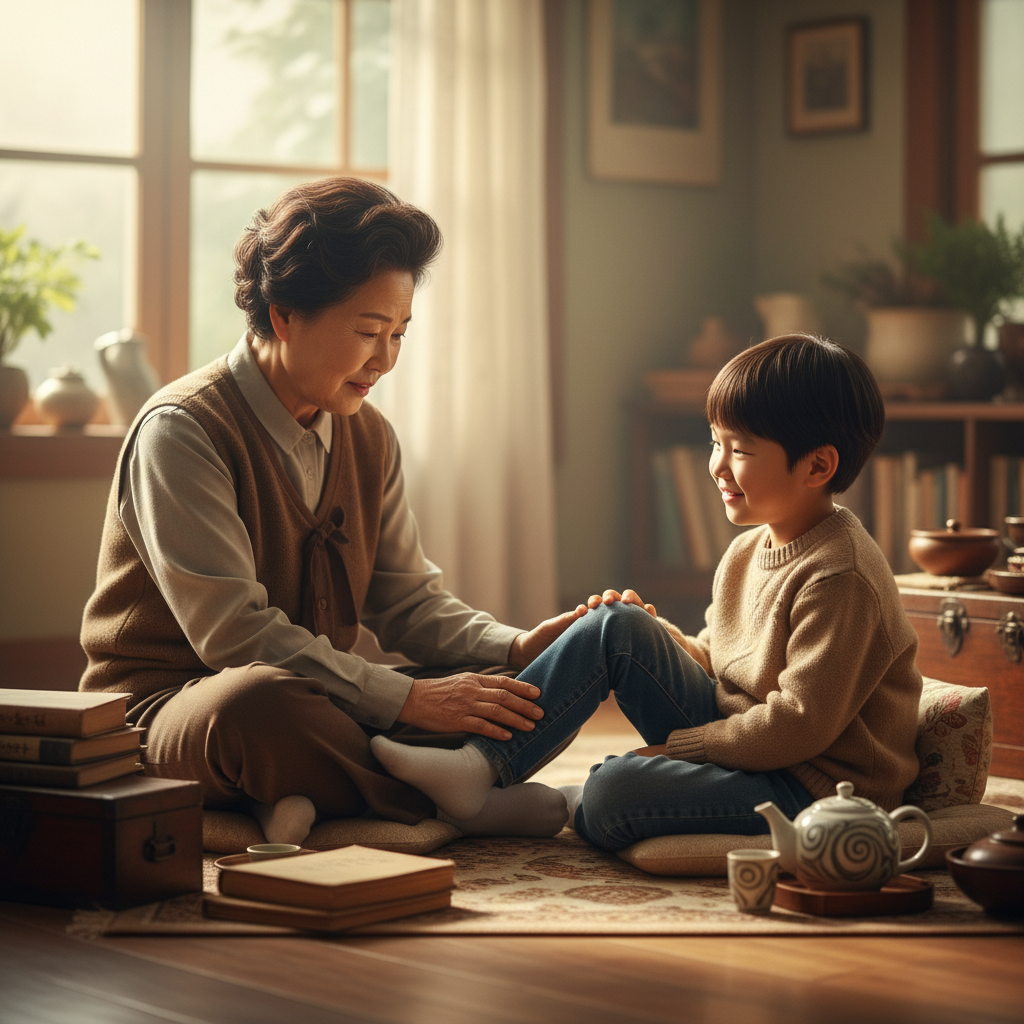
많은 한국인이 어릴 적부터 어른들에게 이 말을 들으면서 자란다.Many Koreans grow up hearing this saying from adults from a young age.
다리를 흔드는 행동이 복을 내쫓는다는 믿음은 아직도 우리 생활 속에 깊이 자리 잡고 있다.The belief that the action of shaking one's legs drives out blessings is still deeply embedded in our daily lives.
이 미신의 기원은 주로 과거의 사회상과 관련이 깊다고 한다.The origin of this superstition is said to be deeply related mainly to the social conditions of the past.
옛날에는 다리를 떠는 행동이 불안정하거나 예의 없는 태도로 여겨졌다.In the old days, the action of shaking one's legs was considered an unstable or impolite attitude.
특히 가난한 집안에서 불안한 마음으로 다리를 떠는 모습을 보면서, 재물이 새어 나가는 것과 연결 지어 생각하게 되었다고 전해진다.Especially, it is told that while watching people from poor families shake their legs with uneasy minds, it came to be connected and thought of as wealth leaking out.
또한, 앉아서 다리를 흔드는 것은 집중력이 없거나 경박한 사람으로 비칠 수 있었다.Also, shaking one's legs while sitting could be seen as a person lacking concentration or being frivolous.
현대에 와서는 이 미신을 문자 그대로 믿는 사람은 줄어들고 있다.In modern times, the number of people who literally believe this superstition is decreasing.
그러나 여전히 많은 부모가 자녀에게 다리를 떨지 말라고 가르치면서, 이 습관이 예의에 어긋난다고 강조한다.However, many parents still teach their children not to shake their legs, emphasizing that this habit goes against etiquette.
미신적인 의미보다는 사회적 예절의 하나로 인식되는 경향이 강해진 것이다.It is that the tendency to perceive it as a matter of social etiquette, rather than as having a superstitious meaning, has grown stronger.
이처럼 오래된 미신은 그 형태를 바꾸면서도 우리 문화 속에 살아남아 다음 세대로 이어진다.In this way, old superstitions, even while changing their form, survive within our culture and are passed down to the next generation.
Key words
Words in this article
- 가르치다 to teach
- 그 that
- 그러나 however
- 나가다 to go out
- 다리 leg
- 다음 next
- 듣다 to listen
- 많다 many
- 말 word
- 믿다 to believe
- 바꾸다 to change
- 바로 exactly
- 보다 to see
- 부모 parents
- 사람 person
- 생활 life
- 앉다 to sit
- 어른 adult
- 어리다 young
- 없다 to not exist
- 옛날 old times
- 오다 to come
- 우리 we
- 이 this
- 자리 place
- 하나 one
- 과거 past
- 깊다 deep
- 또한 also
- 마음 mind
- 생각하다 to think
- 속 inside
- 습관 habit
- 예의 manners
- 오래되다 old
- 의미 meaning
- 잡다 to catch
- 적 time
- 주로 mainly
- 집안 household
- 짓다 to make
- 행동 action
- 가난하다 poor
- 강조하다 to emphasize
- 기원 origin
- 모습 appearance
- 문화 culture
- 믿음 belief
- 복 good fortune
- 비치다 to be seen
- 사회적 social
- 세대 generation
- 여겨지다 to be considered
- 여전히 still
- 연결 connection
- 예절 etiquette
- 이어지다 to be connected
- 인식되다 to be recognized
- 자녀 children
- 전해지다 to be conveyed
- 줄어들다 to decrease
- 태도 attitude
- 특히 especially
- 한국인 Korean person
- 형태 form
- 흥미롭다 interesting
- 경향 tendency
- 불안정하다 unstable
Tap any word for its meaning, grammar and audio — and keep it as a card.
Read with Klick