Greetings in Korean Culture: Their Meaning and Types
한국 문화 속 인사, 그 의미와 종류
Tap any word for its meaning, grammar and audio — and keep it as a card.
Read with Klick한국 문화에서 인사는 단순한 예절을 넘어 상대방에 대한 존중과 배려를 나타내는 중요한 행위이다.In Korean culture, greetings are an important act that goes beyond simple etiquette, showing respect and consideration for the other person.
우리는 일상생활에서 다양한 형태로 인사를 주고받는다.We exchange greetings in various forms in our daily lives.
가벼운 목례는 친구나 동료 사이에서 자주 사용되며, 허리를 살짝 굽히면서 상대방에게 친근함을 표현한다.A light bow of the head is often used among friends or colleagues, and it expresses friendliness to the other person while slightly bending the waist.
이처럼 인사는 관계의 시작을 알리면서 서로의 마음을 여는 역할을 한다.In this way, greetings play a role in announcing the beginning of a relationship and opening each other's hearts.
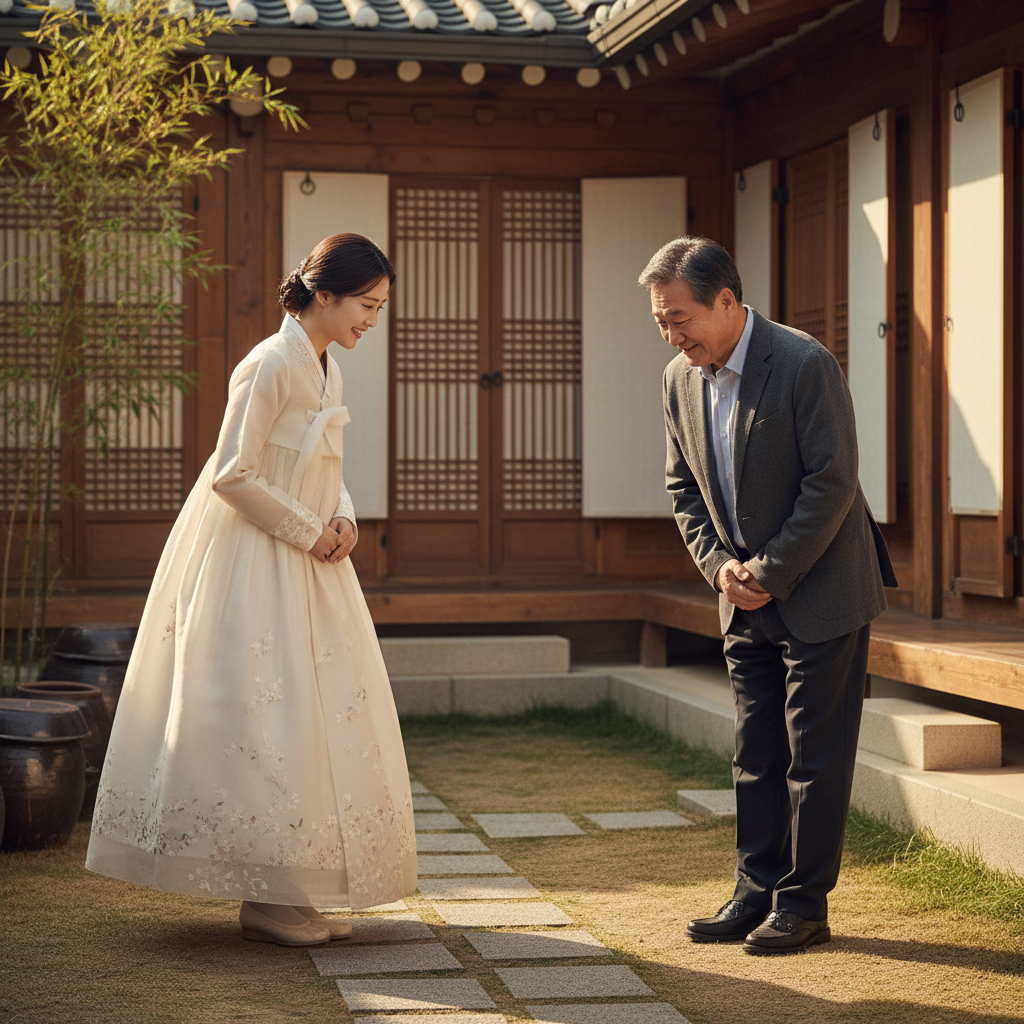
윗사람이나 공식적인 자리에서는 더 깊은 인사가 요구된다.A deeper greeting is required for superiors or in formal settings.
예를 들어, 어른이나 직장 상사에게는 허리를 45도 이상 숙여 존경심을 표한다.For example, to elders or workplace superiors, one bows 45 degrees or more at the waist to show respect.
이러한 인사는 상대방에게 예의를 갖출 뿐만 아니라, 자신을 낮추는 겸손한 태도를 보여준다.This kind of greeting not only shows politeness to the other person but also demonstrates a humble attitude of lowering oneself.
또한, 명절이나 결혼식 같은 특별한 날에는 '큰절'이라는 가장 깊은 절을 올리는데, 이는 최고의 존경과 감사를 담는 행위일 뿐만 아니라, 가족과 공동체의 유대감을 강화하는 의미도 지닌다.Also, on special days like holidays or wedding ceremonies, the deepest bow called 'keunjeol' is performed, and this is not only an act that contains the highest respect and gratitude but also holds the meaning of strengthening family and community solidarity.
인사의 종류와 깊이는 상황과 관계에 따라 달라진다.The type and depth of a greeting change depending on the situation and relationship.
비즈니스 미팅에서는 격식 있는 인사가 중요하며, 친구들과의 만남에서는 좀 더 편안한 인사를 한다.A formal greeting is important in business meetings, and a more relaxed greeting is given in encounters with friends.
인사를 할 때 눈을 맞추는 것이 항상 좋은 것은 아니며, 때로는 겸손의 의미로 시선을 피하기도 한다.When greeting, making eye contact is not always good, and sometimes one avoids eye contact as a sign of humility.
한국 문화를 이해하기 위해서는 이러한 인사법의 미묘한 차이를 아는 것이 필수적이다.To understand Korean culture, knowing the subtle differences of these greeting methods is essential.
Key words
Words in this article
- 가족 family
- 감사 thanks
- 같다 same
- 날 day
- 눈 eye
- 들다 to give (an example)
- 때로 sometimes
- 받다 to receive
- 사이 between
- 서로 mutually
- 아니다 to not be
- 알다 to know
- 어른 adult
- 열다 to open
- 예 example
- 우리 we
- 이 this
- 인사 greeting
- 있다 to exist
- 자리 place
- 좋다 good
- 주다 to give
- 친구 friend
- 항상 always
- 가볍다 light
- 가장 most
- 결혼식 wedding ceremony
- 관계 relationship
- 깊다 deep
- 단순하다 simple
- 달라지다 to change
- 더 more
- 동료 colleague
- 또한 also
- 마음 mind
- 맞추다 to make (eye contact)
- 명절 holiday
- 보여주다 to show
- 상대방 other party
- 숙이다 to lower
- 예의 manners
- 의미 meaning
- 이러한 such
- 이상 more than
- 일상생활 daily life
- 자신 self
- 자주 often
- 직장 workplace
- 차이 difference
- 최고 best
- 편안하다 comfortable
- 피하다 to avoid
- 강화하다 to strengthen
- 갖추다 to possess
- 공동체 community
- 공식적 official
- 깊이 depth
- 나타내다 to show
- 낮추다 to lower
- 넘다 to exceed
- 다양하다 various
- 담다 to contain
- 문화 culture
- 배려 consideration
- 사용되다 to be used
- 상사 superior
- 상황 situation
- 시선 gaze
- 시작 start
- 알리다 to inform
- 역할 role
- 예절 etiquette
- 윗사람 superior
- 유대감 sense of solidarity
- 이해하다 to understand
- 존경 respect
- 존중 respect
- 종류 type
- 중요하다 important
- 지니다 to possess
- 태도 attitude
- 특별하다 special
- 표현하다 to express
- 하다 to do
- 행위 act
- 형태 form
- 미묘하다 subtle
- 요구되다 to be demanded
- 필수적 essential
Tap any word for its meaning, grammar and audio — and keep it as a card.
Read with Klick